About
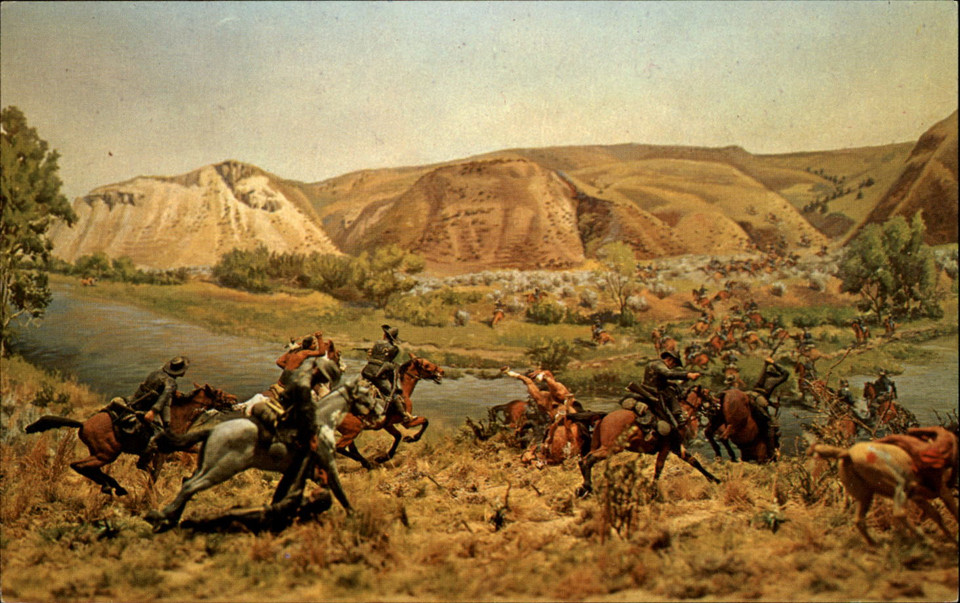
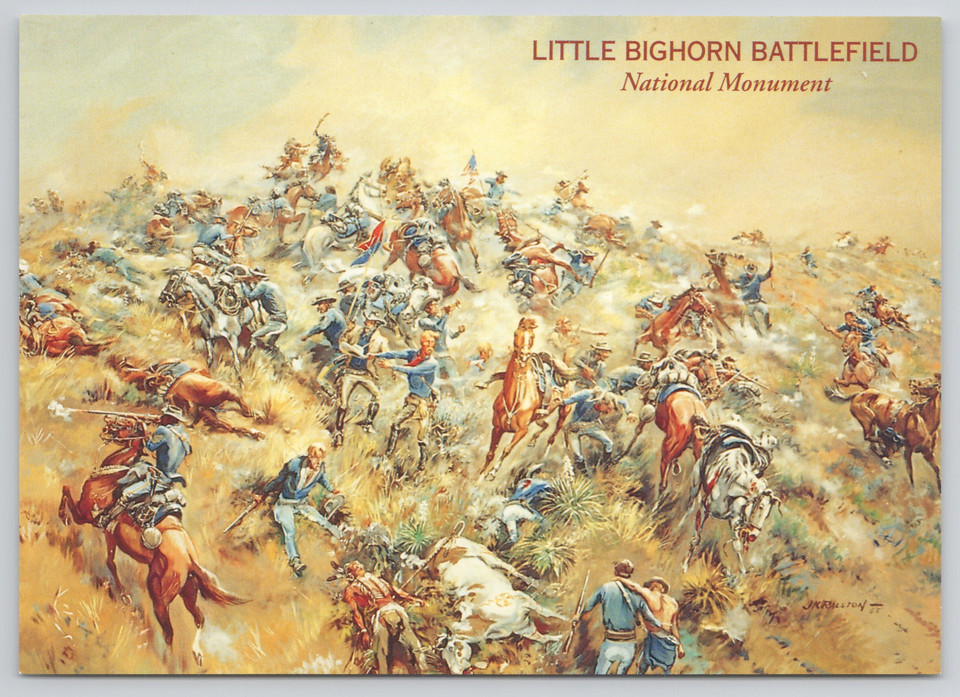
The Battle of the Little Bighorn (June 25-26, 1876) was a major conflict between the Lakota Sioux, Northern Cheyenne, and Arapaho tribes and the U.S. 7th Cavalry under Lt. Col. George Custer. It resulted from rising tensions over U.S. expansion into Native lands, especially after the discovery of gold in the Black Hills, violating the 1868 Treaty of Fort Laramie.
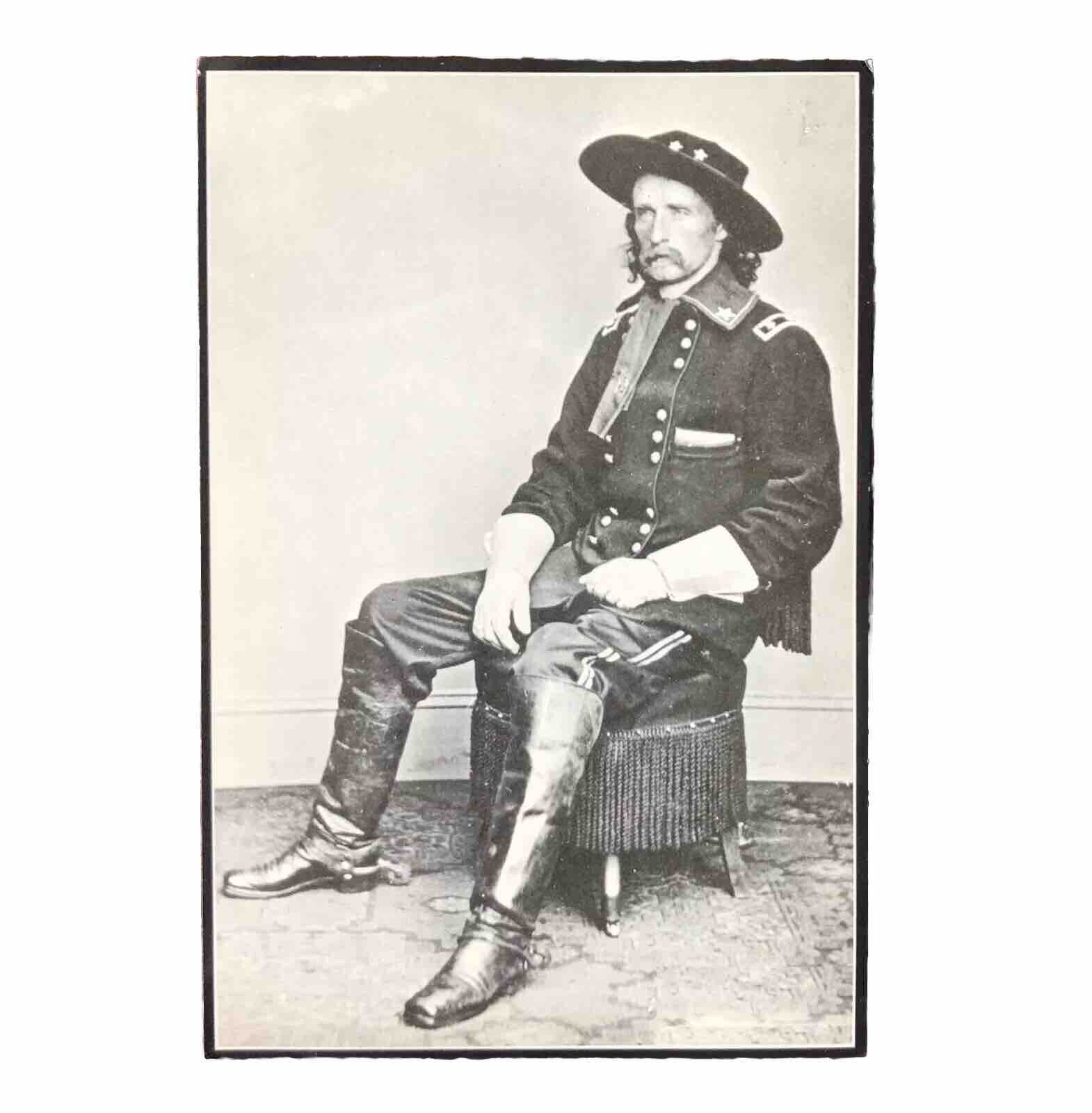
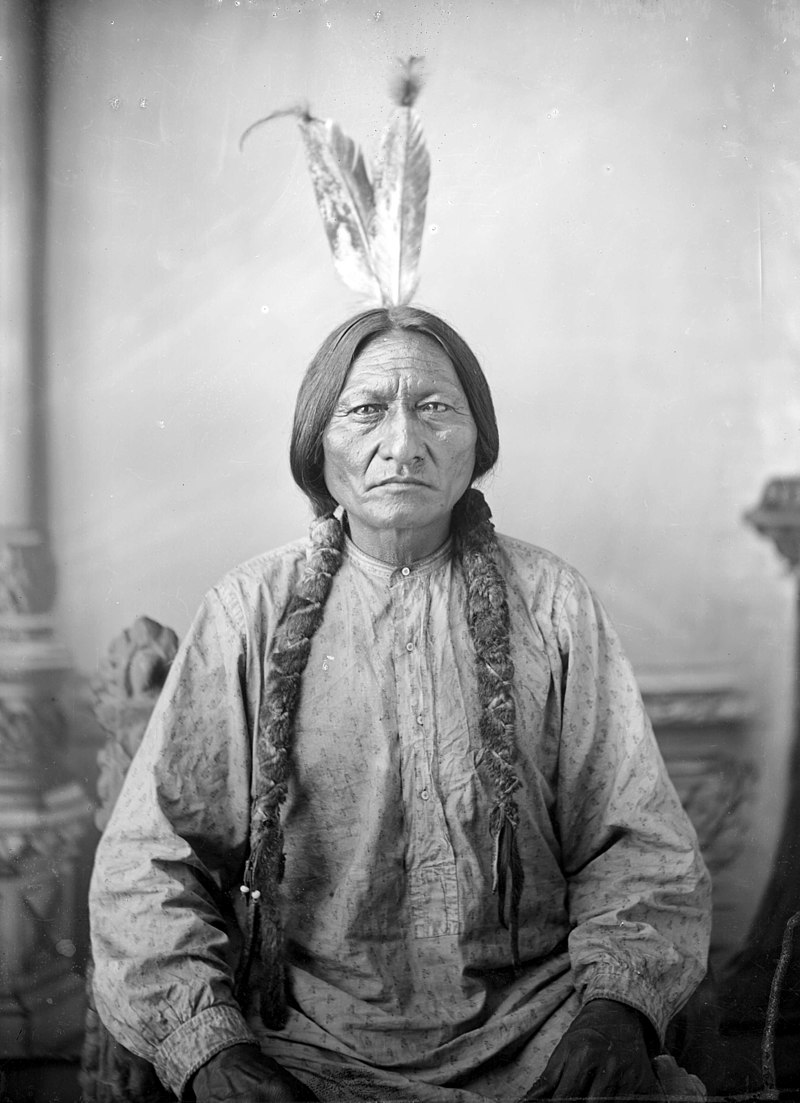
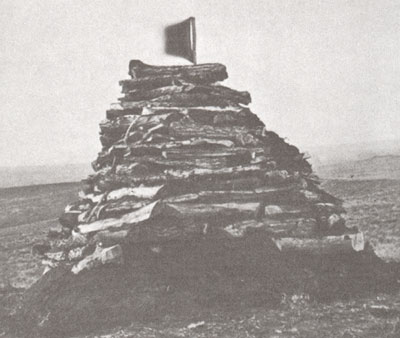
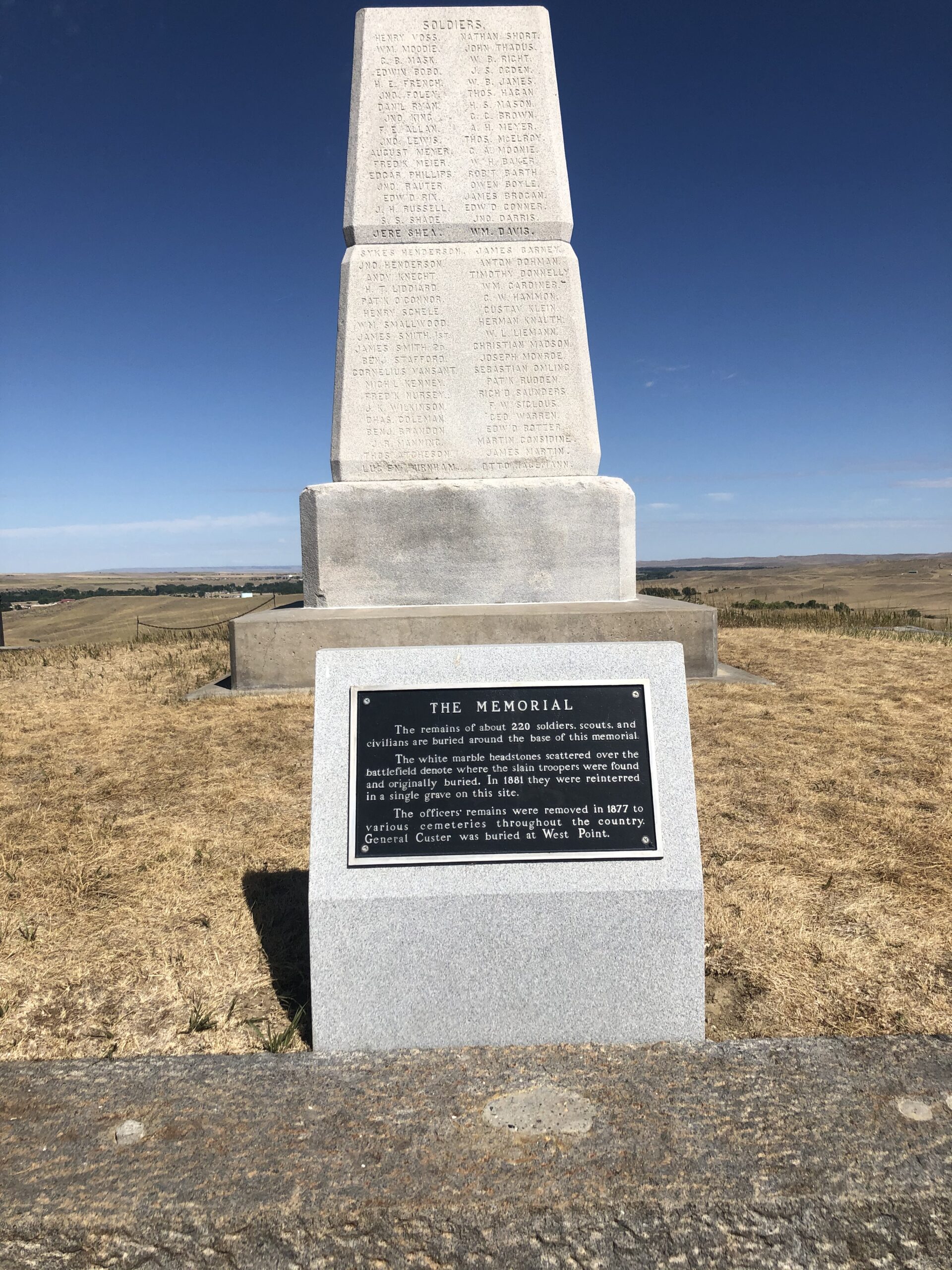
Custer, underestimating the number of Native warriors, split his forces and launched an attack. His immediate command of about 210 men was completely wiped out in what became known as “Custer’s Last Stand.” The Native forces, led by Crazy Horse, Gall, and Sitting Bull, achieved a decisive victory using superior numbers and strategic maneuvers.
Despite their success, the battle led to severe consequences for the tribes. The U.S. government responded with intensified military campaigns, forcing most Lakota and Cheyenne to surrender within a year. Sitting Bull fled to Canada but later returned and was killed in 1890. The battle marked both a powerful moment of resistance and the beginning of the end for the free-roaming Plains tribes.
During the Old West Trail days
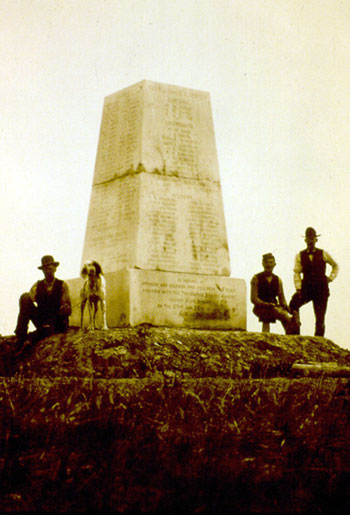
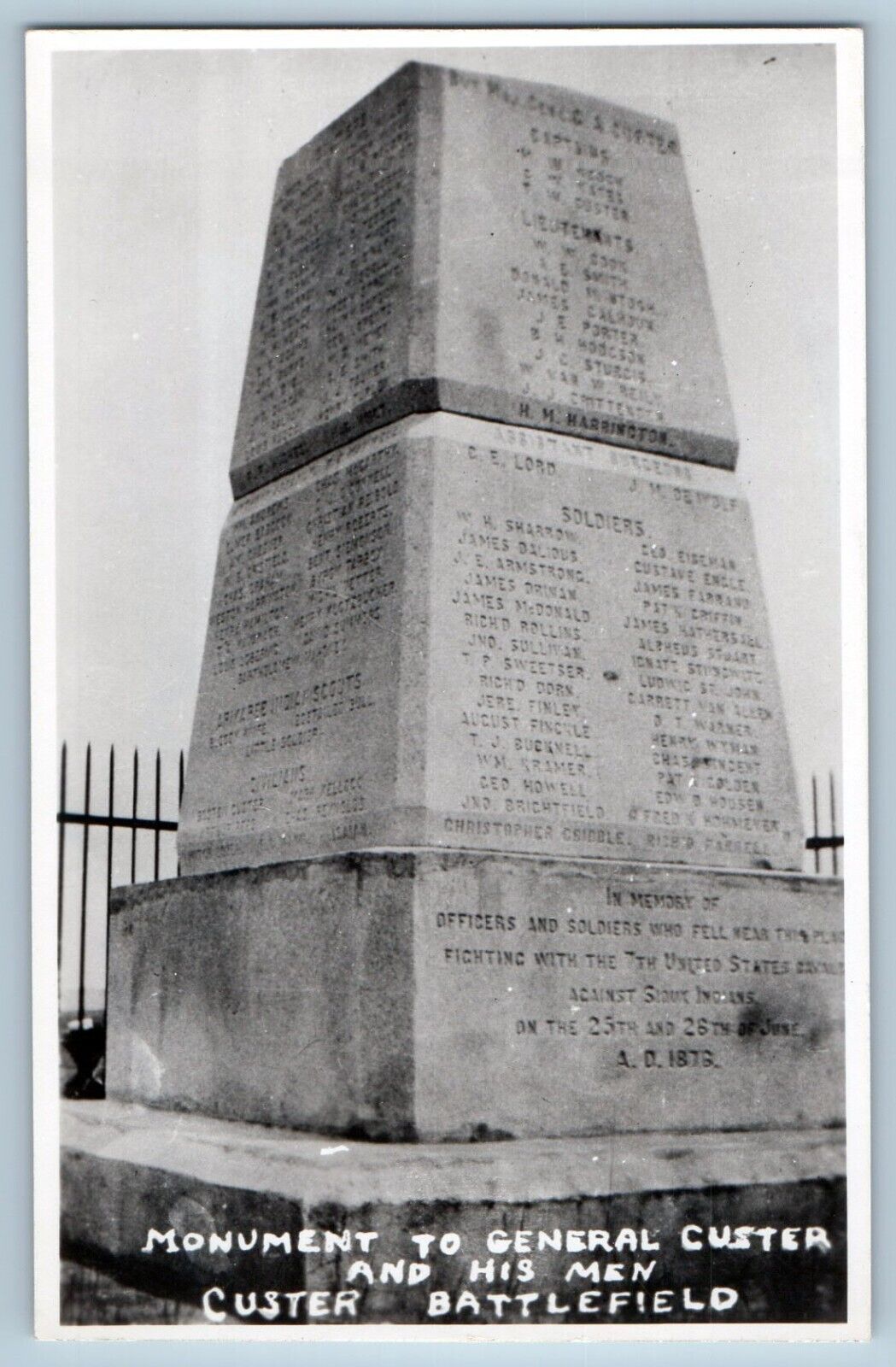
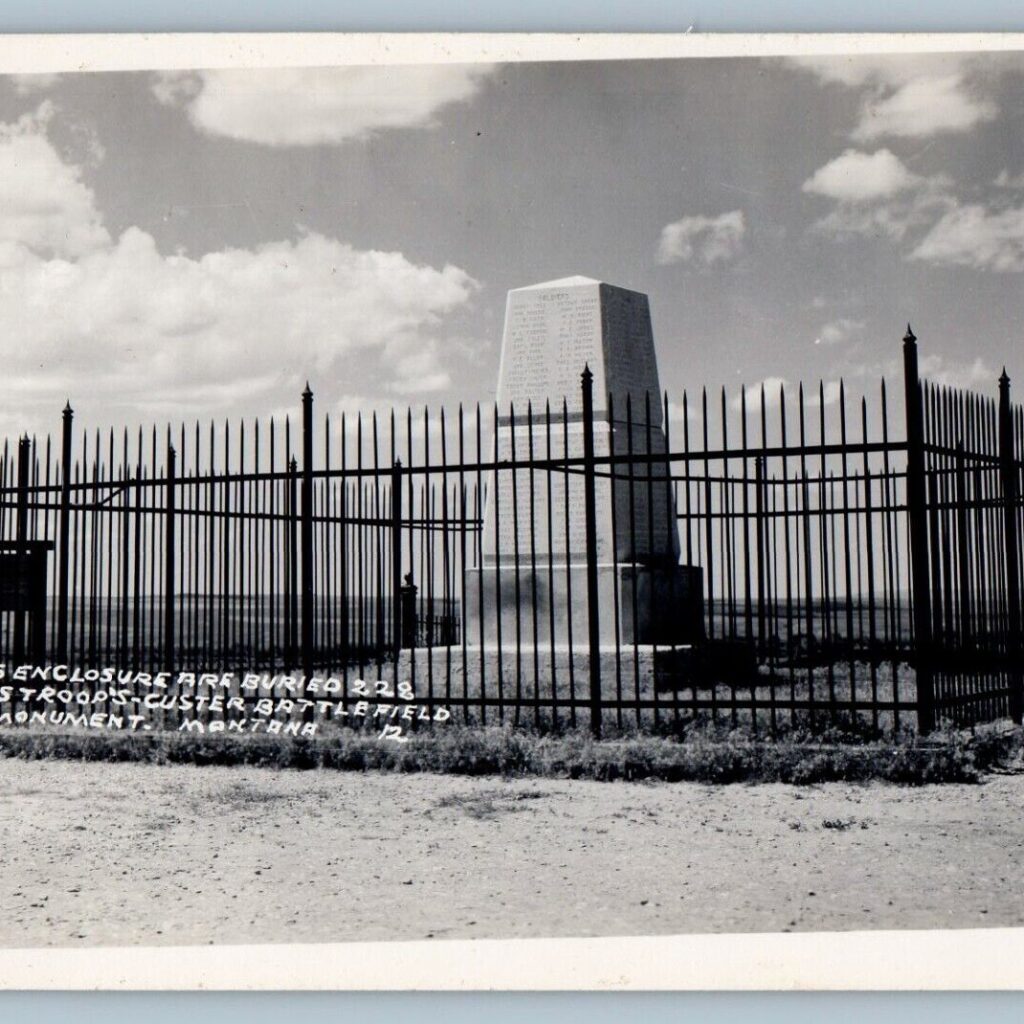
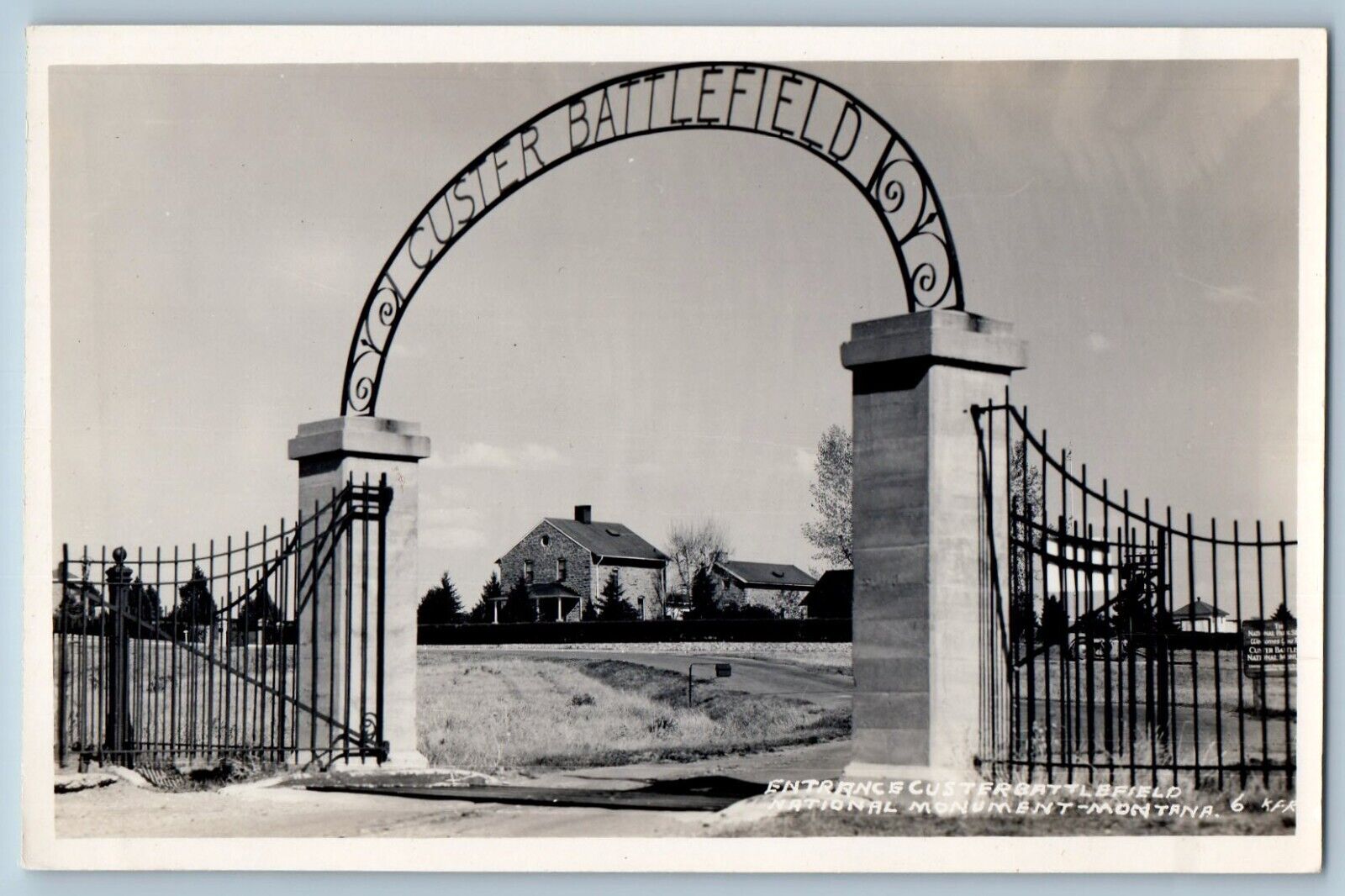
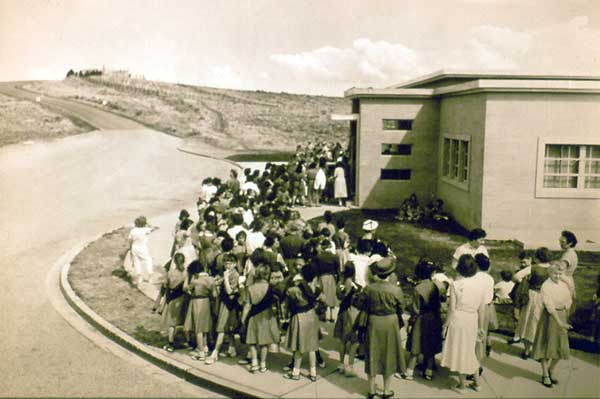
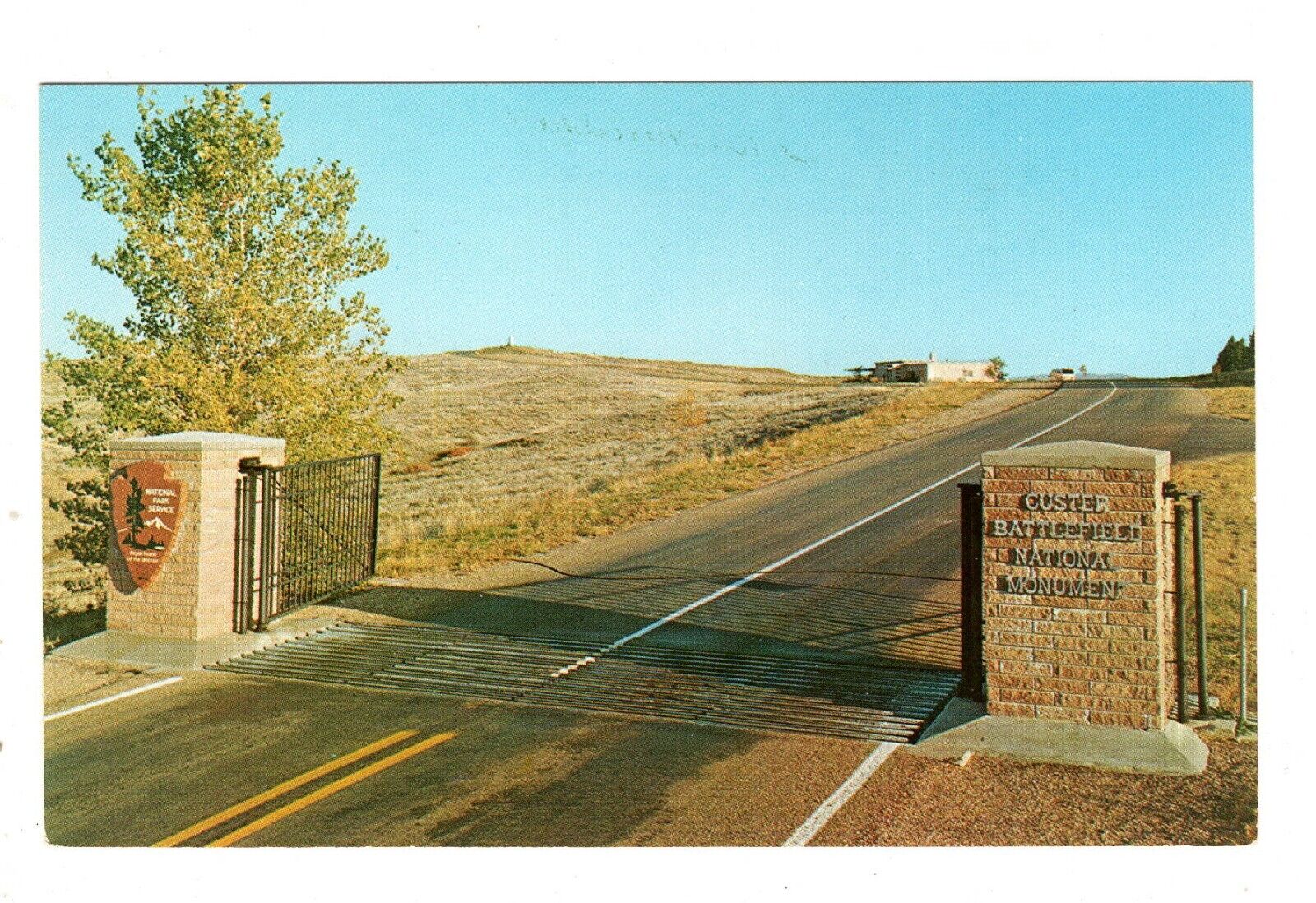
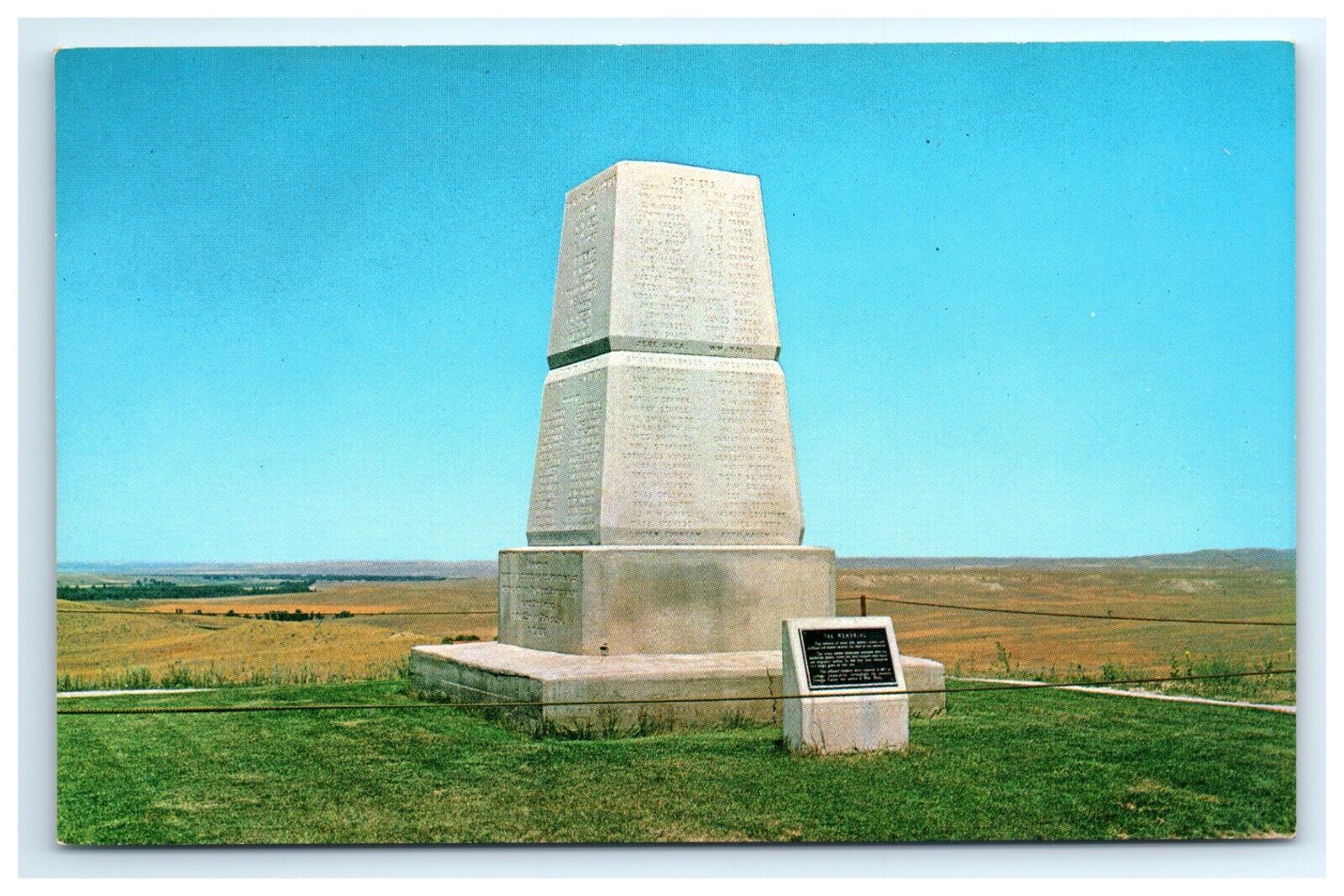
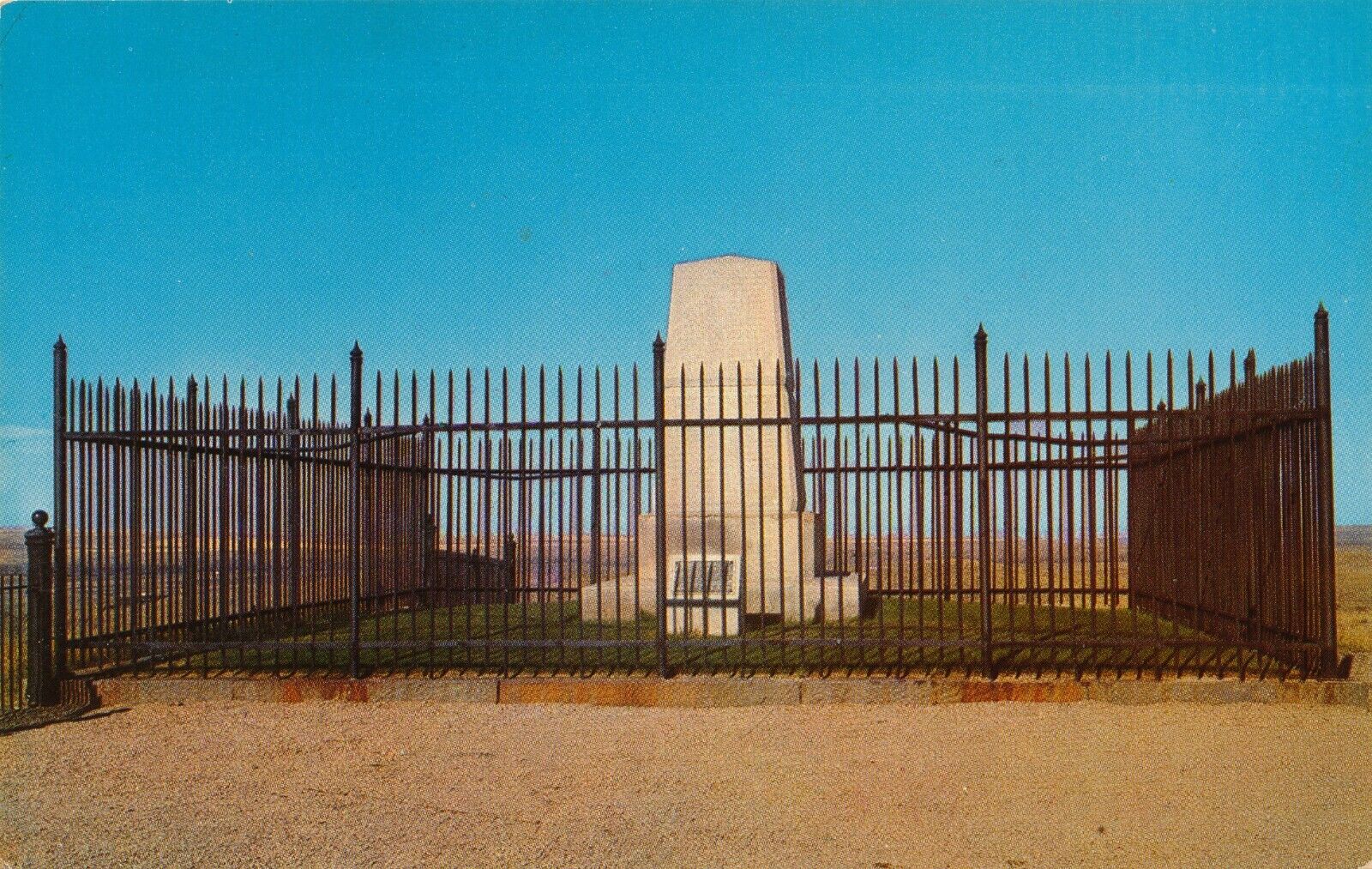
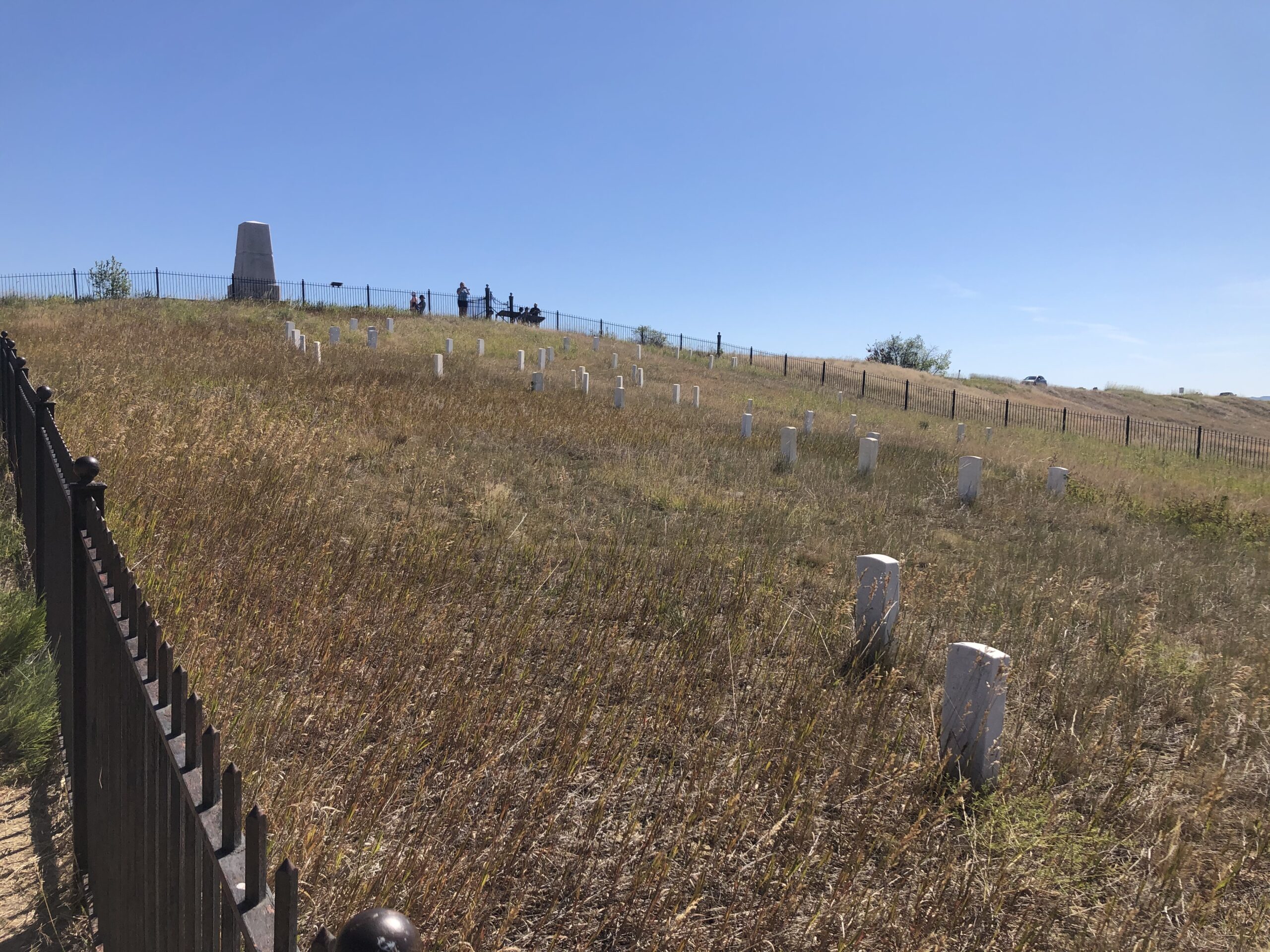
From the 1950s to the 1980s, Little Bighorn Battlefield—then called Custer Battlefield National Monument—was largely viewed through the lens of Custer and the U.S. cavalry. The site featured Custer’s Last Stand Hill with a monument dedicated to the fallen soldiers, but little acknowledgment of the Native perspective. Park rangers told the story mainly from the cavalry’s point of view, and Custer was often portrayed as a heroic figure.
During these decades, the Old West Trail tourism campaign promoted stops at famous frontier sites, including Little Bighorn, tying them into a broader narrative of western expansion. Many visitors arrived expecting stories of cavalry bravery, with less attention paid to the Native warriors who had fought to defend their land.
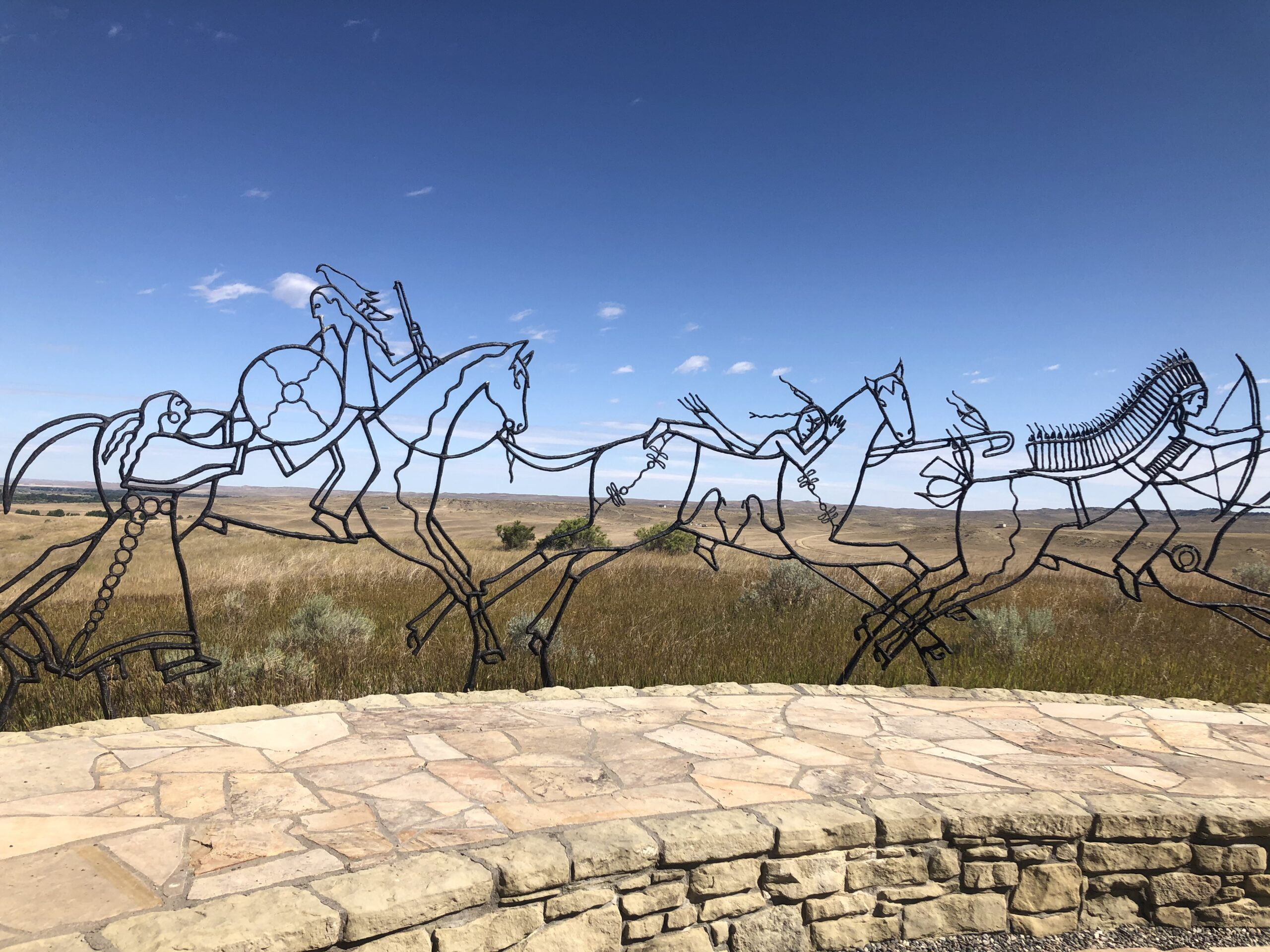
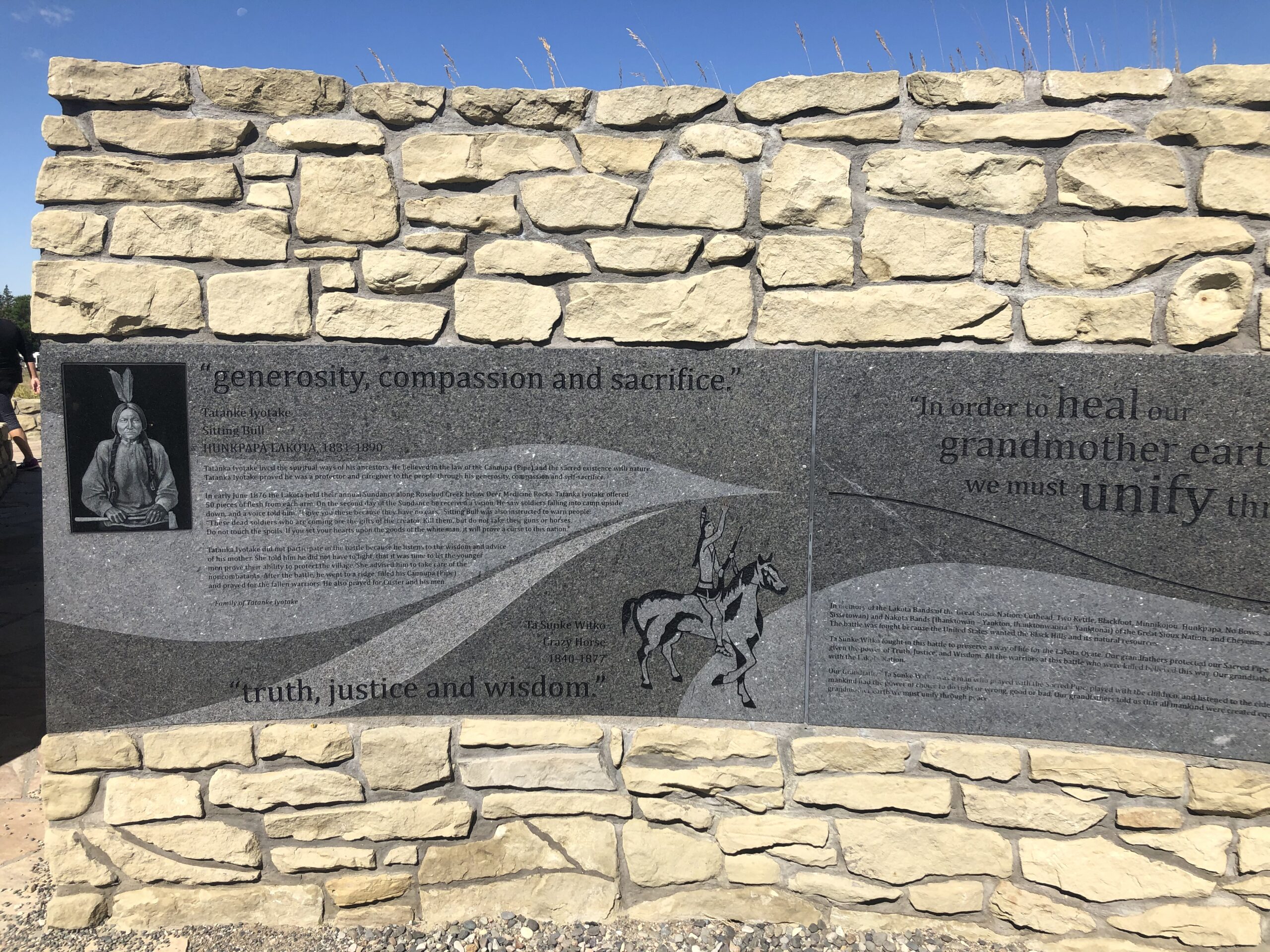
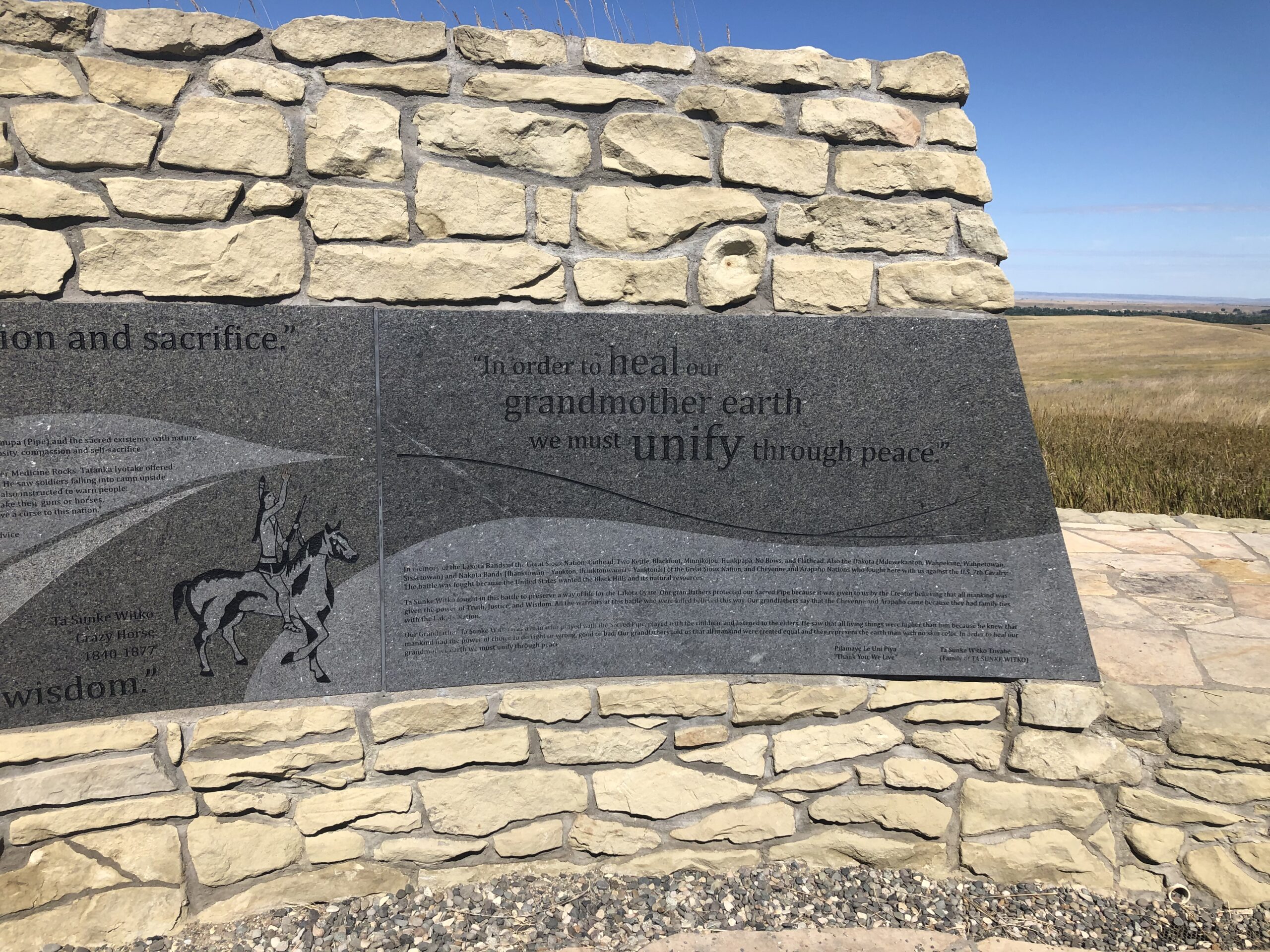
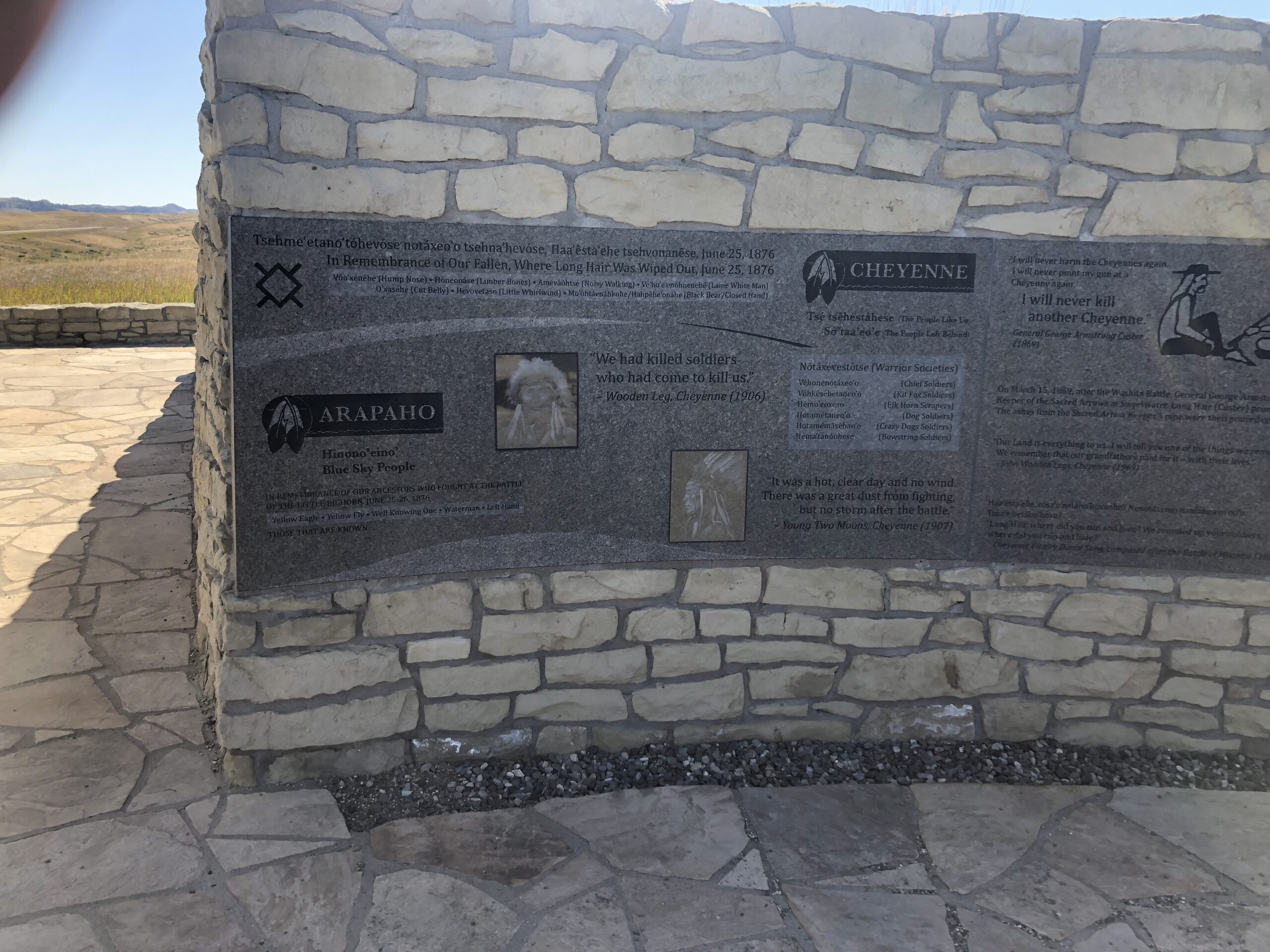
By the 1970s and 1980s, growing awareness of Native American history led to a shift. More visitors began questioning the traditional narrative, and Native activists pushed for greater recognition of Lakota, Cheyenne, and Arapaho warriors. In 1991, the site was officially renamed to Little Bighorn Battlefield National Monument, and efforts began to present a more balanced history, including the addition of the Indian Memorial to honor Native fighters.
Today
Today, Little Bighorn Battlefield National Monument offers a more complete and immersive experience for visitors. The site features Last Stand Hill, where Custer and his men made their final stand, along with the Indian Memorial, dedicated to the Native warriors who fought to protect their way of life.
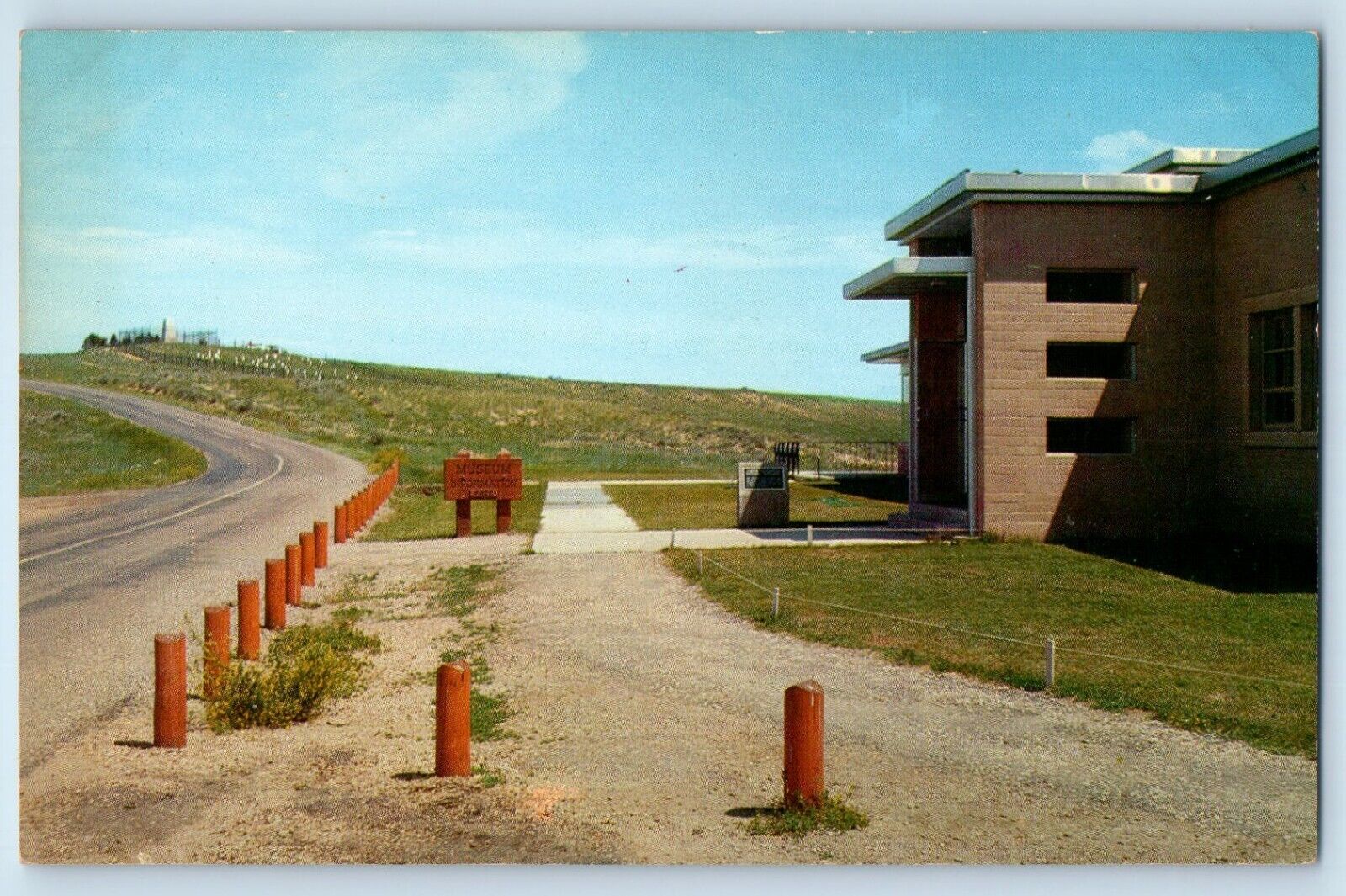
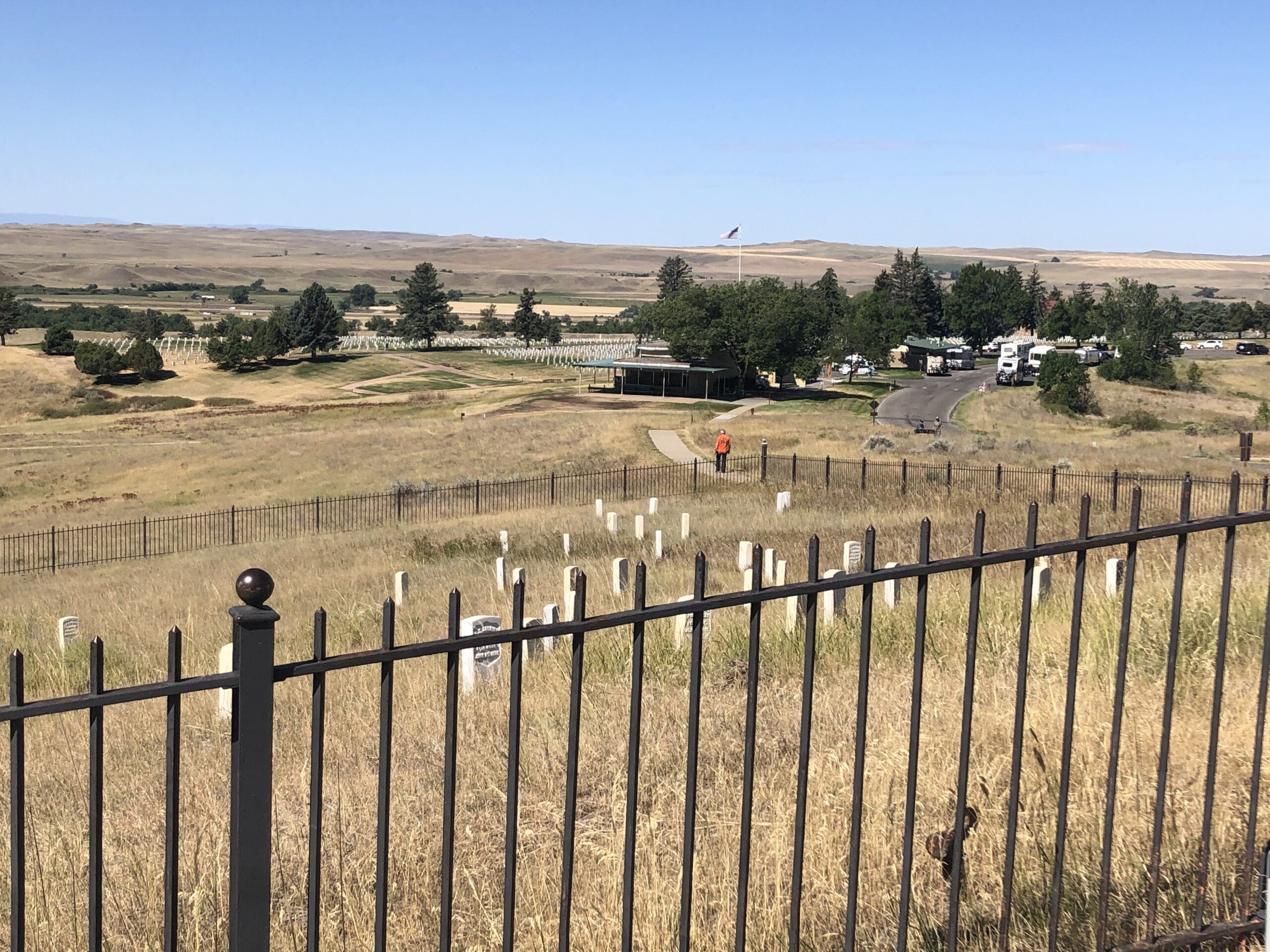
The Visitor Center and Museum provide exhibits on the battle, featuring artifacts, weapons, and firsthand accounts from both sides. Ranger-led tours and self-guided driving routes allow visitors to explore key sites, such as Reno-Benteen Hill and the Deep Ravine, where intense fighting occurred.
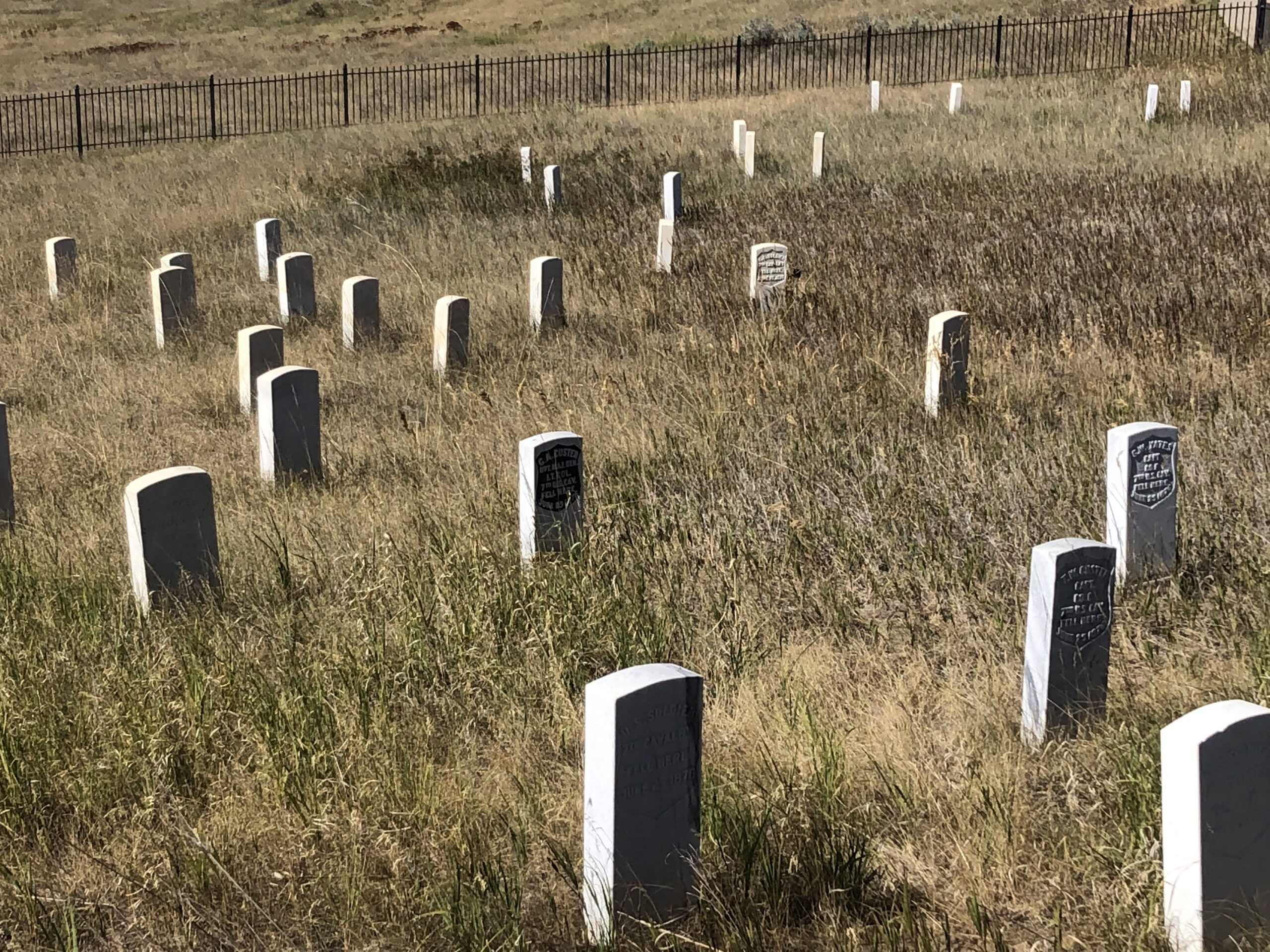
Markers scattered across the battlefield show where soldiers and Native warriors fell, giving a powerful sense of the battle’s scale and brutality. Walking the trails, visitors can take in the rolling Montana landscape, which remains much as it was in 1876, offering a haunting yet beautiful reminder of the events that took place.
NOTE: The visitor center will be closed on Monday-Thursdays throughout the 2025 season.
Custer National Cemetery
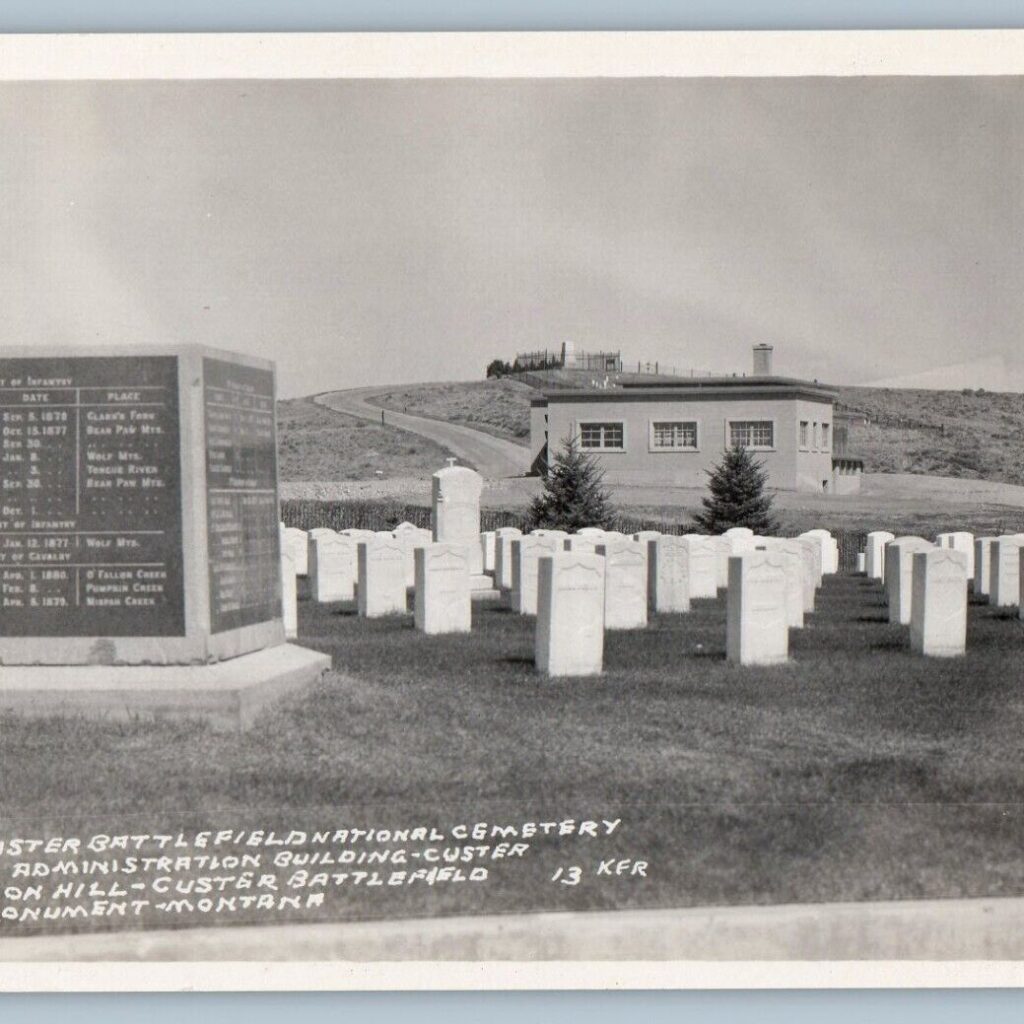
Within the battlefield is Custer National Cemetery, where veterans from multiple conflicts—including the Indian Wars, Spanish-American War, World War I, World War II, Korea, and Vietnam—are laid to rest. Although many of Custer’s men were reburied at national cemeteries elsewhere, the site became an official resting place for U.S. military personnel in 1886. Rows of white headstones mark the graves of soldiers, scouts, and even some civilians, creating a solemn space of remembrance.
The cemetery is still active today, honoring those who served in the U.S. armed forces, making Little Bighorn not only a battlefield but also a place of ongoing tribute to American veterans.
Additional links and information
The following are additional links and information about the Little Bighorn Battlefield.